Free shipping £150+ Orders
Reconnect Through The Art of Massage Therapy and Relaxation: Uniting Mind & Body
In today’s fast-paced world, stress has become an unwelcome companion for many. It’s all too easy to become disconnected from our bodies, lost in the endless demands of daily life. Reconnecting with oneself might seem like a daunting challenge, yet there exists a timeless practice that offers a pathway back to harmony: The Art of Massage Therapy and Relaxation. This ancient healing art is more than just a remedy for tired muscles; it is a profound journey that unites mind and body, allowing us to rediscover balance and tranquility.
Incorporating mindful breathing and bodily awareness during a massage can transform the experience into a meditative escape, where each touch becomes a soothing balm for the soul. These small yet powerful practices can be seamlessly integrated into even the busiest schedules, turning moments of tension into opportunities for peace. As we explore this art further, it becomes evident that massage therapy is not merely an indulgence but an essential ritual. It invites us to listen closely to our bodies, addressing fatigue before it turns into burnout, and offering a compassionate way to reclaim our well-being.
The Origins of Massage Therapy: Understanding its Ancient Roots
The Art of Massage Therapy and Relaxation traces its lineage back thousands of years, when early healers recognized the profound power of touch. In ancient China, around 2700 BCE, practitioners combined rubbing and pressing techniques with herbal remedies to address everything from muscle aches to internal imbalances. These early Chinese texts documented systematic approaches to stimulating meridian points, laying the groundwork for acupuncture and tui na, the hands-on branch of traditional Chinese medicine.
Across the globe, Ayurvedic practitioners in India developed abhyanga—an oil massage ritual aimed at balancing the three doshas (Vata, Pitta, Kapha). Using warmed herbal oils, they believed that massaging the body not only relieved physical blockages but also harmonized life energies. Meanwhile, in ancient Egypt, murals depict slaves and servants applying scented oils and friction-based strokes to soothe Pharaohs and nobility. These techniques were often paired with aromatic balms to calm the nervous system.
As civilizations spread, the Greeks and Romans adopted and refined these practices. Greek physician Hippocrates—known as the father of medicine—championed the idea that “rubbing can bind a joint that is too loose and loosen a joint that is too rigid.” Roman baths featured specialized rooms and attendants who applied various pressures, from gentle kneading to vigorous percussion. Over centuries, these influences merged into European spa culture, which later crossed the Atlantic to inspire modern Western massage therapy. Today’s practitioners build on this rich heritage, blending ancient wisdom with scientific understanding to offer the restorative benefits of touch in contemporary settings.
Benefits Beyond the Physical: How Massage Therapy Impacts Mental Well-being
While most people seek massage for muscle relief, the psychological benefits of The Art of Massage Therapy and Relaxation are equally significant. By activating the parasympathetic nervous system, massage reduces production of cortisol—the primary stress hormone—while boosting levels of oxytocin and serotonin, key neurotransmitters associated with calm, trust, and happiness. This chemical shift can alleviate anxiety, lift mood, and foster an enduring sense of emotional balance.
Clients frequently report improved sleep quality after regular sessions. As tension unwinds and mind chatter quiets, the body can transition more easily into deep, restorative sleep phases. Enhanced rest not only boosts energy and mental clarity but also fortifies resilience against daily stressors. In this way, massage becomes a preventive tool—addressing minor tension before it escalates into chronic anxiety or depression.
Beyond biochemistry, the simple act of being cared for through touch cultivates emotional nourishment. Many individuals feel a profound sense of being seen and valued when a therapist listens to their concerns, adjusts pressure according to feedback, and works intuitively to release tension. This compassionate interaction can help reduce feelings of isolation, increase self-awareness, and foster greater self-trust—core elements for sustained mental well-being.
Types of Massage Techniques for Different Needs and Preferences
Massage therapy offers a diverse toolkit of techniques, each tailored to achieve specific outcomes. Whether you seek gentle relaxation, athletic recovery, or energy realignment, there’s a modality to suit your goals. Understanding these options empowers you to choose a session that aligns with your physical and emotional needs.
Swedish massage, the most common form, uses long, flowing strokes and light kneading to promote overall relaxation and circulation. Deep tissue massage applies more intense pressure to target stubborn knots and adhesions, making it ideal for chronic tension in areas like the neck, shoulders, or hips. Sports massage blends deep work with stretching to address injury prevention and muscle performance.
Thai massage incorporates assisted yoga-like stretches and rhythmic compressions, often performed on a mat without oils. Hot stone massage places heated basalt stones on muscle groups to encourage deeper release through thermotherapy. Aromatherapy massage infuses sessions with essential oils chosen for their calming, uplifting, or balancing properties. Reflexology focuses on specific zones in the feet, hands, or ears that correspond to organs and systems, offering a holistic approach. By exploring these varied techniques, you can curate a massage experience that resonates with your body’s unique requirements.
Creating the Perfect Atmosphere: Setting the Stage for Relaxation
To fully embrace The Art of Massage Therapy and Relaxation, the environment plays a critical role. A thoughtfully prepared space can prime the body and mind for deep release, turning a simple session into a sanctuary of calm. Start by controlling lighting: soft, dimmable lamps or candles create a gentle glow that reduces sensory overstimulation and signals your nervous system to relax.
Sound also significantly influences mood. Curate a playlist of ambient melodies, nature recordings, or binaural beats that encourage slow breathing and drift the mind away from daily concerns. Temperature matters, too: maintain a comfortably warm room (around 75–80°F) so muscles loosen naturally. Consider adding heated blankets or a warmed table cover for extra coziness.
Scent is the final sensory pillar. Diffuse subtle notes of lavender, chamomile, or sandalwood to calm the mind, or choose invigorating citrus oils to uplift mood. Ensure the space is clutter-free, with fresh linens and a clean, inviting massage table or mat. By orchestrating these elements, you craft an immersive setting where each breath, every touch, and the soothing ambiance converge to deepen your journey into relaxation.
Mind-Body Connection: Nurturing Harmony Through Massage
The connection between mind and body becomes vividly clear during a massage session. As hands glide, knead, and stroke, sensory receptors in the skin relay signals to the central nervous system—an intimate dialogue that releases stored tension and awakens bodily awareness. This two-way exchange is the essence of The Art of Massage Therapy and Relaxation, enabling you to sense subtle areas of tightness and invite deeper surrender.
Practitioners often use gentle prompts to encourage clients to tune into their breath and notice sensations, fostering somatic mindfulness. This heightened awareness can reveal emotional blocks held in tissues—grief in the chest, stress in the shoulders, or fatigue in the lower back. By consciously breathing into these zones, clients can soften not only the muscle fibers but also any associated mental or emotional grip.
Over time, consistent practice strengthens proprioception—our internal map of where the body sits in space—leading to improved posture, movement efficiency, and reduced accident risk. As you become adept at recognizing subtle shifts and releases, you carry this attuned presence into daily life, effortlessly responding to stress and maintaining a grounded equilibrium between mind and body.
Incorporating Mindfulness Practices During a Massage Session
Infusing mindfulness into massage elevates it from a physical treatment to a meditative experience. Even brief moments of focused attention can deepen relaxation and amplify therapeutic benefits. Begin by anchoring awareness to your breath: notice its natural rhythm as the therapist begins their work. Allow each exhale to carry away tension, and each inhale to welcome a sense of ease.
Next, engage in a gentle body scan. Starting at your toes, mentally note any warmth, tingling, tightness, or ease without judgment. Acknowledge these sensations before inviting them to soften. This practice grounds you in the present moment, reducing mental chatter and fostering full receptivity to touch.
Visualization further enriches mindfulness. As pressure is applied to a knot or trigger point, imagine a gentle wave of light or warmth dissolving the tension. Envision your muscles as malleable clay, ready to reshape into comfort. By pairing tactile feedback with these inner images, you create a powerful feedback loop that accelerates both physical release and mental calm. This holistic approach ensures that each session of The Art of Massage Therapy and Relaxation becomes a sanctuary for body and mind alike.
Self-Massage Techniques for Daily Stress Relief
Incorporating self-massage into your routine offers an accessible way to tap into The Art of Massage Therapy and Relaxation anytime. You don’t need a professional for simple yet effective techniques that relieve tension and promote circulation. For example, use a tennis or lacrosse ball against a wall to target knots in the upper back—press gently and roll slowly over tense areas.
The foam roller is another versatile tool. Position it under your calves, hamstrings, or thoracic spine, and use your body weight to modulate pressure. A few minutes of rolling can alleviate stiffness, increase blood flow, and prime muscles for movement. For hands and forearms, clasp your opposite hand around each finger and thumb, then gently squeeze and pull to loosen tight joints.
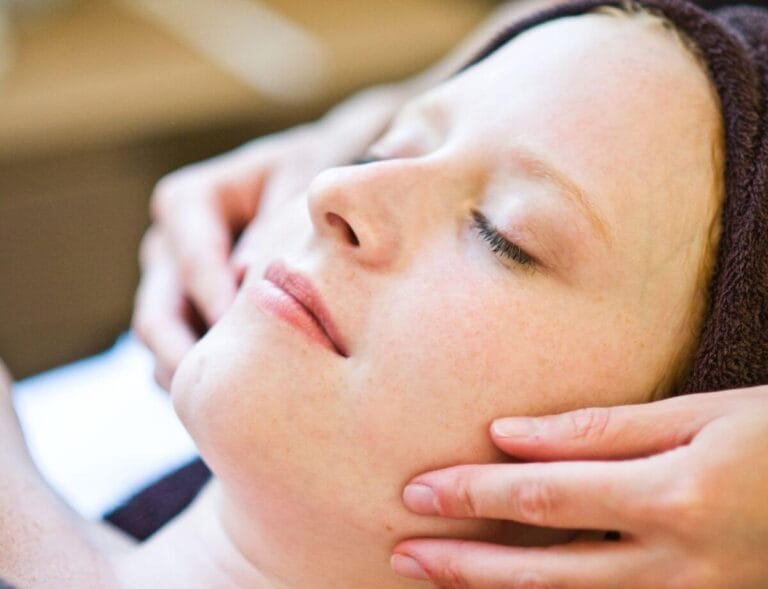
Facial and scalp massage offers calming relief, too. Use your fingertips to make small circular motions across your temples, forehead, and jawline—this can reduce headache tension. On the scalp, glide your fingers from front to back, encouraging lymphatic drainage and soothing the nervous system. These self-care rituals can be woven into short breaks throughout the day, transforming micro-moments of stress into pockets of rejuvenation.
Enhancing the Experience: Aromatherapy and Essential Oils in Massage
Aromatherapy complements The Art of Massage Therapy and Relaxation by engaging the limbic system—the brain’s emotional center—through scent. Essential oils are distilled plant extracts that carry powerful therapeutic properties. Lavender promotes deep calm and is ideal for evening sessions, while sweet orange or bergamot can uplift mood and ease mild anxiety.
When blended with carrier oils (like jojoba, almond, or grapeseed), these essences enhance glide and deliver botanical benefits through both inhalation and skin absorption. Chamomile oil soothes inflammation and irritability, making it perfect for sensitive skin. Eucalyptus and peppermint provide a cooling sensation, supporting respiratory clarity and muscular relief—excellent for post-workout or seasonal congestion.
For a truly bespoke experience, experiment with custom blends that address your needs. A balance of 5–7 drops per ounce of carrier oil is sufficient for most full-body massages. Always perform a patch test to rule out sensitivities. By combining targeted techniques with carefully chosen oils, you create a multi-sensory session that nurtures the body, calms the mind, and elevates the overall healing journey.
The Science Behind the Healing Touch: How Massage Affects the Body
Scientific research increasingly validates what ancient healers long understood: massage triggers a cascade of physiological responses that support healing and wellness. Mechanoreceptors in the skin detect pressure and movement, sending signals to the nervous system to release endorphins—natural painkillers that create feelings of euphoria and well-being. This neurochemical shift helps explain why clients often experience both immediate comfort and longer-lasting relief.
On a circulatory level, massage promotes vasodilation, increasing blood flow to muscles and surrounding tissues. Enhanced circulation delivers oxygen and nutrients more efficiently while helping clear metabolic waste such as lactic acid. Simultaneously, massage stimulates the lymphatic system, boosting removal of toxins and supporting immune function—factors that can reduce swelling and accelerate recovery.
At the cellular scale, studies reveal that mechanical pressure can influence gene expression related to inflammation and tissue repair. For example, light stroking movements promote the release of nitric oxide, a molecule that relaxes blood vessels and lowers blood pressure. Deep tissue work can also remodel connective tissue by reorganizing collagen fibers, improving long-term flexibility and reducing the likelihood of future injuries. Together, these mechanisms illustrate that the healing touch is both an art and a science—uniting therapeutic intention with measurable physiological change.
Conclusion: Embracing the Art of Massage Therapy for Holistic Wellness
Reconnecting mind and body through The Art of Massage Therapy and Relaxation offers a multifaceted path to holistic wellness. From ancient origins to modern scientific validation, massage therapy stands as a testament to the enduring power of touch. By weaving together mindful awareness, targeted techniques, and sensory elements like aromatherapy, each session becomes a restorative retreat from life’s constant demands.
Whether you seek relief from chronic tension, wish to enhance mental clarity, or simply crave moments of serenity, integrating massage—both professional and self-administered—can transform your daily experience. Embrace this healing ritual as an essential component of self-care, honoring your body’s needs and rediscovering the harmony that arises when mind and body move in unison.