Free shipping £150+ Orders
Blackheads on nose removal: A dermatologist’s guide
If you want to get rid of blackheads on your nose for good, you need to understand why they show up in the first place. It’s not about scrubbing them into submission. Real, lasting change comes from a consistent routine using the right ingredients to gently dissolve what’s clogging your pores and, crucially, to stop them from coming back.
Why Your Nose Is a Blackhead Magnet
Ever feel like your nose is the epicentre of every blackhead you’ve ever had? You’re not wrong. The skin on your nose is packed with a higher concentration of sebaceous (oil) glands than almost anywhere else on your body. These glands are meant to produce sebum, a natural oil that keeps your skin healthy and moisturised, but when they go into overdrive, you get clogged pores.
It’s a common myth that the dark spot in a blackhead is trapped dirt. It’s actually a mix of excess oil and dead skin cells that have plugged a pore. Because this type of pimple—an open comedone—is exposed to the air, the gunk inside oxidises and turns black. Think of how a sliced apple turns brown when you leave it out. Realising this is the first step to treating them properly.
And if you’re dealing with this, you’re far from alone. Here in the UK, blackheads are the single most-searched skincare issue. The question ‘How to get rid of blackheads?’ is typed into search engines an average of 9,900 times every month, beating out other major concerns like eye bags and acne scars. That data, compiled in skincare search trend research from Fat Cow Skincare, shows just how many of us are looking for a real solution.
Moving Past Quick Fixes
Forget the idea of an overnight miracle cure. The path to clear pores is built on a consistent, science-backed approach. We’re going to focus on four key areas to get you the results you want:
- Understanding the Cause: Getting to the root of why your nose is so prone to blackheads.
- Gentle At-Home Removal: Mastering safe techniques you can use yourself without damaging your skin.
- Professional Intervention: Knowing when it’s time to call in an aesthetician for the really stubborn ones.
- Building a Preventative Routine: Creating a simple daily habit that keeps pores clear for the long haul.
To start you off on the right foot, it’s vital to distinguish between what actually works and what just makes things worse.
The biggest mistake I see people make is attacking their blackheads with aggression. Squeezing with all your might or over-scrubbing doesn’t just fail to fix the problem—it often leads to inflammation, permanently enlarged pores, and even scarring.
Let’s quickly compare some effective strategies against the common traps people fall into.
Effective Blackhead Removal vs Common Mistakes
Here’s a quick-glance comparison of dermatologist-approved methods for nose blackhead removal against popular but potentially harmful practices.
| Effective Method | Why It Works | Common Mistake | The Risk |
|---|---|---|---|
| Salicylic Acid (BHA) | An oil-soluble exfoliant that gets deep inside pores to dissolve sebum and dead skin from within. | Harsh Facial Scrubs | Creates micro-tears in the skin, which leads to irritation and a damaged skin barrier. |
| Professional Extraction | A trained aesthetician uses sterile tools and the right technique to clear pores safely and completely. | Aggressive Squeezing | Can push bacteria deeper into the pore, causing inflammation, infection, or scarring. |
| Clay Masks | Absorb excess oil from the skin’s surface, helping to remove the material that leads to clogged pores. | Pore Strips | Rip out surface-level gunk and fine hairs, but they don’t solve the underlying issue and can cause irritation. |
| Consistent Cleansing | Removes the daily buildup of oil, makeup, and pollutants that contribute to clogged pores. | Skipping Moisturiser | Dehydrates the skin, causing it to overcompensate by producing even more oil and worsening the problem. |
Choosing the right approach is everything. By focusing on methods that respect your skin’s health, you’ll see much better, longer-lasting results than you ever would from quick, harsh fixes.
Your At-Home Blackhead Removal Action Plan
Forget those rigid, complicated routines that are almost impossible to stick with. Getting rid of blackheads on your nose for good isn’t about a punishing daily regimen; it’s about a smart, consistent plan that actually works with your skin, not against it. This is your practical guide to clearing out the blackheads you have now and, just as importantly, stopping new ones from showing up.
Your first line of defence is always a proper cleanse, especially at the end of the day. If you wear any makeup or sunscreen (and you should be!), a technique called double cleansing is absolutely non-negotiable. It’s simple: you start with an oil-based cleanser to melt away all the oil-based gunk like makeup, sebum, and SPF, and then follow up with a regular water-based cleanser to wash everything clean away.
This two-step method ensures your skin is genuinely clean, which means any treatment products you apply afterwards can actually get to work properly. Think of it this way: you wouldn’t wax a dirty car. Applying potent ingredients to skin that still has a film of grime on it just won’t give you the results you’re after.
Harnessing the Power of Beta Hydroxy Acids
Once your face is perfectly clean, it’s time to bring in the star player: Beta Hydroxy Acid (BHA). You probably know it better as salicylic acid. Unlike its water-loving cousins (AHAs), salicylic acid is oil-soluble. This is its superpower. It means it can travel deep down into the pore lining to dissolve that stubborn, hardened mixture of oil and dead skin cells that creates a blackhead in the first place.
Using a BHA product from Beauty Page—whether it’s a toner, a serum, or a targeted treatment—on a regular basis will gently exfoliate from inside the pore. This not only helps clear out existing clogs but keeps the pathway clear to prevent future ones from forming. For those with more resilient skin who are looking for a more intensive treatment, it might be worth exploring the best at-home chemical peel options. They often use these powerful acids in higher concentrations for a periodic ‘reset’.
It all starts so simply: a pore collects debris, which then gets exposed to air and oxidises, turning it dark.
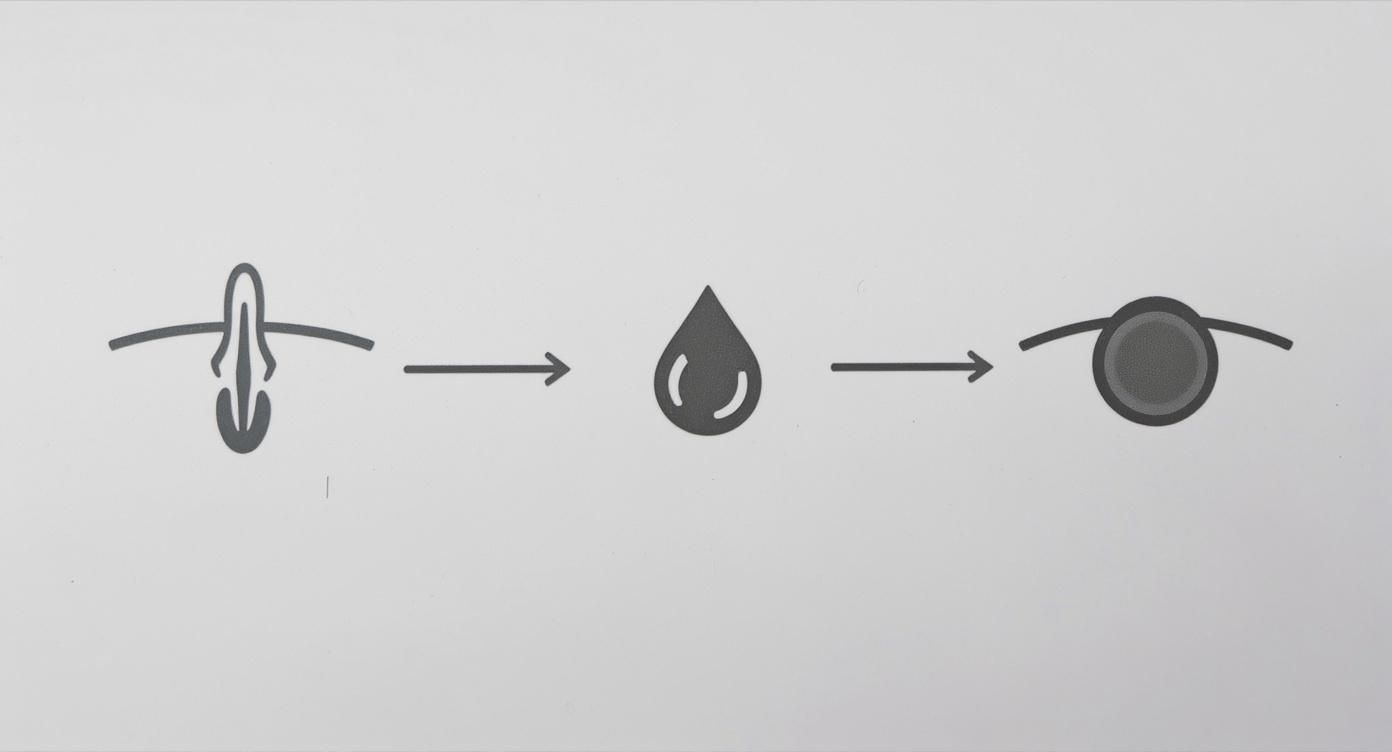
This visual really drives home how easily a pore can get blocked, highlighting exactly why an ingredient like BHA that works inside the pore is so essential for truly effective treatment.
Mastering Safe Manual Extractions
Let’s be honest, sometimes a particularly stubborn blackhead just needs to go. While attacking it with your fingernails is a recipe for disaster—leading to inflammation, scars, or just pushing the blockage deeper—there is a much safer way to handle it at home. Just remember, this is for the odd occasion, not a daily habit.
The key to safe extraction is all in the prep work. Never, ever go after a ‘cold’ blackhead. You have to soften the skin and the gunk inside the pore first, so it can be released easily without damaging your skin.
For those rare, stubborn blackheads, follow this careful approach:
- Prep Your Skin: The best time is right after a warm shower. Alternatively, you can apply a warm, damp face cloth to your nose for 5-10 minutes. The steam is crucial for softening everything up, making the whole process easier and far less traumatic for your skin.
- Get Clean: Wash your hands thoroughly. If you must use your fingers, wrap them in clean tissue first. If you’re using a comedone extractor (that little metal tool with a loop on the end), make sure it has been sterilised with rubbing alcohol before and after every single use.
- Gentle Does It: Centre the loop of the extractor over the blackhead and apply gentle, even pressure. It should pop out without a fight. If using your tissue-wrapped fingers, press gently downwards and then upwards around the blackhead. If it doesn’t come out with minimal pressure, stop. It’s not ready. Forcing it will only cause damage and inflammation.
- Don’t Forget Aftercare: This step is vital. Immediately after, wipe the area with a gentle, alcohol-free toner to help clean out the now-empty pore. Following up with a soothing serum containing ingredients like niacinamide can help calm any redness. Be sure to avoid any harsh exfoliants on the area for at least the next 24 hours.
Integrating Removal Into Your Weekly Routine
It’s consistency that truly gets you the clear skin you want. A great routine doesn’t have to be complicated, but it does need to be regular. Here’s a sample weekly plan you can easily adapt to what your skin is telling you.
| Day | Morning Routine | Evening Routine |
|---|---|---|
| Mon/Wed/Fri | Gentle Cleanser, Hydrating Serum, SPF | Double Cleanse, BHA Treatment, Moisturiser |
| Tue/Thu/Sat | Gentle Cleanser, Hydrating Serum, SPF | Double Cleanse, Hydrating Serum, Moisturiser |
| Sunday | Gentle Cleanser, Hydrating Serum, SPF | Double Cleanse, Clay Mask, Soothing Serum, Moisturiser |
This kind of schedule allows for regular BHA exfoliation to keep pores clear without overdoing it and stripping your skin. Adding a weekly clay mask helps to soak up excess surface oil, which perfectly complements the deeper work the salicylic acid is doing.
Always listen to your skin. If you notice any dryness or irritation, dial back the BHA to every other night. The goal is clear pores, not a damaged skin barrier. This balanced approach is the most sustainable way to finally get rid of blackheads on your nose and keep them gone.
The Truth About Pore Strips And Removal Gadgets
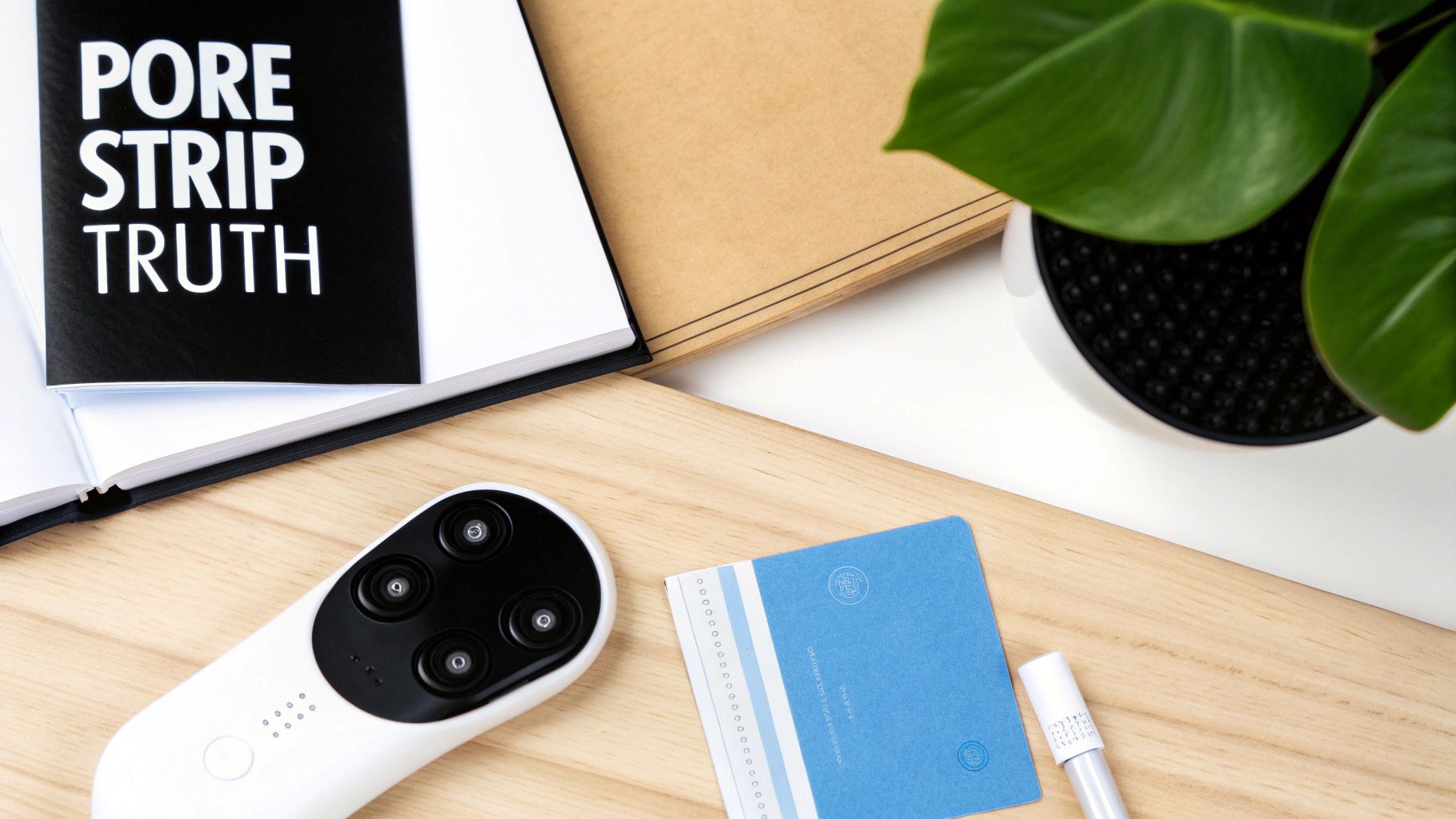
Let’s be honest, there’s a certain satisfaction in peeling off a pore strip and seeing all those little spikes of gunk. It feels like you’ve really cleaned house. The same goes for those pore vacuums that promise to suck out every last impurity. But what’s really going on with your skin when you use these popular tools for blackheads on nose removal?
These gadgets are masters of illusion. When you rip off a pore strip, you’re yanking out the very top, oxidised layer of that sebum and dead skin plug. It’s a quick fix that makes pores appear clearer for a little while, but it does absolutely nothing to address the blockage deeper down.
Unfortunately, this aggressive approach often causes more problems than it solves. The powerful adhesive can be incredibly harsh, stripping away not just the blackhead but also healthy skin cells and fine facial hairs. This can seriously compromise your skin’s protective barrier, leading to redness, sensitivity, and even more breakouts.
The Problem With Pore Vacuums
Pore vacuums work on a similar principle of instant gratification, using suction to pull debris from your pores. While they might remove some surface-level gunk, their main strength is also their biggest weakness. The sheer force needed to dislodge a stubborn blackhead can be incredibly traumatic for the delicate skin on your nose.
This aggressive pulling can easily lead to a few unwanted side effects, especially if your skin is on the sensitive or reactive side.
- Bruising: Too much pressure or lingering in one spot for too long can leave you with small, circular bruises.
- Broken Capillaries: That intense suction can damage the tiny blood vessels near the surface, resulting in permanent red or purple marks (telangiectasia).
- Inflammation: Instead of calming things down, the physical stress from the vacuum can trigger an inflammatory response, leaving the area red and sore.
The core issue with both pore strips and vacuums is that they treat the symptom, not the cause. They’re a temporary, often harsh, solution to a problem that requires a consistent, gentle, and preventative approach to truly solve.
A Realistic Look At At-Home Tools
It’s crucial to weigh the fleeting benefits against the very real risks before reaching for these gadgets. For those with easily irritated skin, learning about gentle exfoliation for sensitive skin is a much safer and more effective long-term strategy.
Here’s a more objective look at some of the most common tools you’ll find online.
At-Home Blackhead Removal Tools: A Realistic Look
| Tool Type | How It Works | Potential Benefits | Significant Risks |
|---|---|---|---|
| Pore Strips | An adhesive strip is applied to wet skin, dried, and then quickly removed, pulling out the tops of blackheads. | Instant visual satisfaction; removes surface-level debris and sebaceous filaments. | Can strip healthy skin, cause irritation, broken capillaries, and doesn’t treat the root cause. May enlarge pores over time. |
| Pore Vacuums | Uses suction to physically pull sebum, dead skin, and debris from the pore. | Can temporarily clear some surface congestion if used with extreme caution. | High risk of bruising, broken capillaries (telangiectasia), and skin trauma, especially on sensitive or thin skin. |
| Metal Extractors | A looped or spoon-shaped metal tool used to apply targeted pressure around a pore to manually push out a blockage. | Precise for individual, ready-to-extract blackheads when used by a professional. | Very high risk of scarring, infection, and skin damage if used incorrectly at home. Can push blockages deeper. |
Ultimately, while the immediate results from these tools can be tempting, they don’t offer a sustainable solution.
The market for these devices is huge. In the UK, it’s estimated that over 60% of adults have tried some form of at-home blackhead removal tool. Research from the Good Housekeeping Institute found that while pore vacuums gave a short-term visual improvement for 72% of users, they did nothing to stop blackheads from coming back. You can dig into their findings on at-home blackhead removers to see how different devices stacked up.
This highlights the frustrating cycle many people find themselves in: they see a temporary result, the blackhead returns, and they reach for the tool again, potentially causing cumulative damage over time.
Instead of relying on force, a smarter approach involves using ingredients like salicylic acid (BHA) to dissolve the blockage from within the pore. It’s a far less traumatic method that actually works to prevent future blackheads from forming in the first place. While it may not offer the same instant “wow” factor as a pore strip, the long-term results for your skin’s health are far superior. Real blackheads on nose removal is a marathon, not a sprint.
When To See A Professional For Clearer Pores
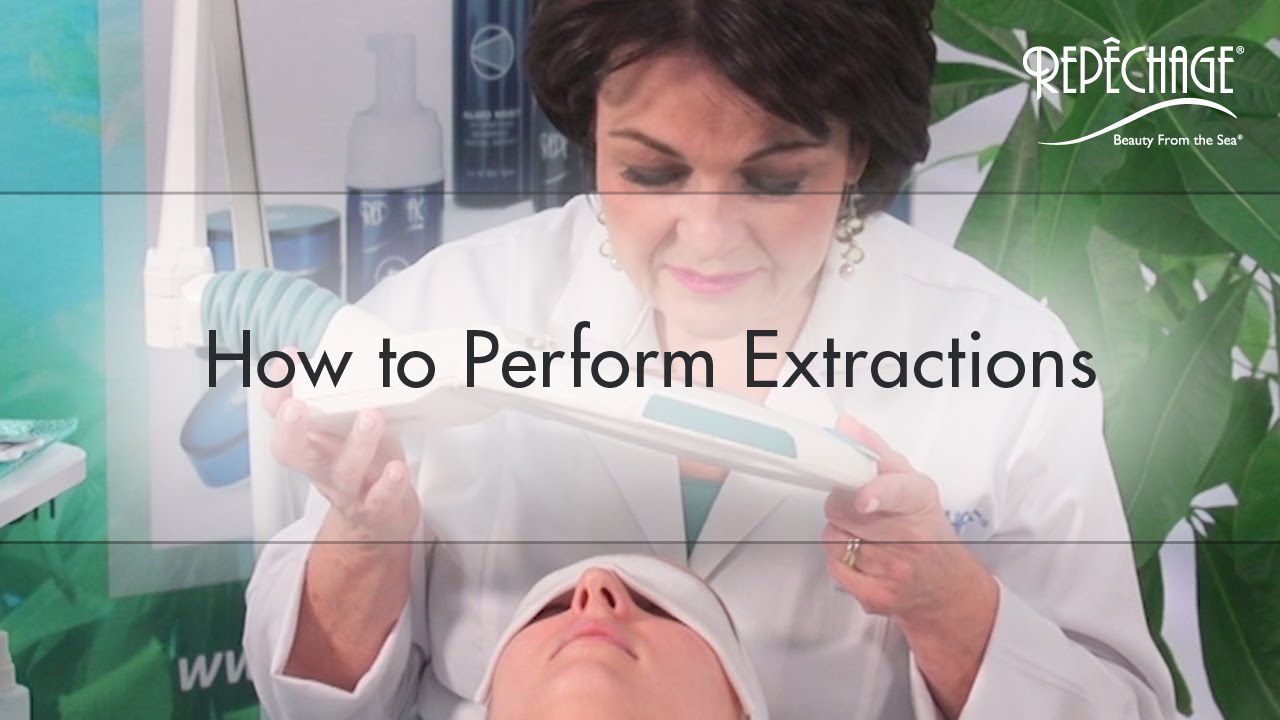
While a consistent at-home routine is your best defence against blackheads, sometimes it just isn’t enough. We’ve all been there—staring in the mirror at those stubborn dots on the nose that just won’t budge, no matter what you try.
If your efforts are leading to more redness and irritation than results, it’s a clear sign your skin is asking for a helping hand. Knowing when to call in a professional isn’t admitting defeat; it’s making a smart, strategic move for your skin’s health.
The Power Of Professional Extractions
Getting extractions from a qualified aesthetician or dermatologist is a completely different ball game than attempting it yourself. A pro knows exactly how to prep the skin, using steam and softening solutions to make the process gentle and effective.
They use sterile tools, like a comedone extractor, with the perfect angle and pressure to coax the blockage out cleanly. This expert touch prevents you from accidentally pushing bacteria deeper, which is often what leads to an angry, inflamed spot or even permanent scarring.
Going Deeper With Clinical Treatments
Beyond just manual extractions, professionals have an entire arsenal of advanced treatments that can tackle congestion at a much deeper level. These are a significant step up from anything you can buy over the counter, offering more noticeable and lasting relief from blackheads on the nose.
A few of the most effective options you might discuss include:
- Medical-Grade Chemical Peels: Forget what you know about at-home peels. These are much more potent, using higher concentrations of acids (like glycolic or salicylic) to dissolve the ‘glue’ holding dead skin cells and debris inside the pore. The result is a much deeper clean and accelerated skin renewal.
- HydraFacial Treatments: This is a fan favourite for a reason. It’s a multi-step facial that cleanses, exfoliates, and extracts using a unique vortex-suction tool. It painlessly hoovers out impurities while simultaneously drenching your skin in hydrating, targeted serums.
- Microdermabrasion: Think of this as a highly controlled exfoliation. The treatment uses a special instrument to gently polish away the thick, outer layer of dead skin. It’s fantastic for unblocking pores and refining your skin’s texture.
Deciding to see a professional can be a real turning point. It shifts the focus from a frustrating cycle of trial and error to a clear, results-driven plan that puts your skin’s long-term health first.
What To Expect From Professional Treatments
The demand for professional blackheads on nose removal has really grown. Data from leading UK clinics shows that appointments for professional blackhead extractions shot up by around 25% between 2020 and 2025. This tells us more people are realising that an expert’s touch delivers safer, more reliable results.
To keep your skin clear after a treatment, an expert might suggest a medical-grade peel every 4-6 weeks. To get a better idea of what’s involved, you can learn more about cosmetic-grade peels to unlock your skin’s radiance in our detailed guide. It’s great background reading before you chat with an aesthetician.
Making An Informed Decision
Investing in professional care is a fantastic way to hit the ‘reset’ button on your skin. It clears out deep-seated congestion and gives you access to advice that’s tailored specifically to your needs.
When you’re ready to stop guessing and start a targeted action plan, you can book a consultation with a dermatologist or skincare expert. Getting a professional assessment can provide incredible clarity and set you on the right path to finally achieving healthier, clearer pores.
How To Keep Blackheads From Coming Back
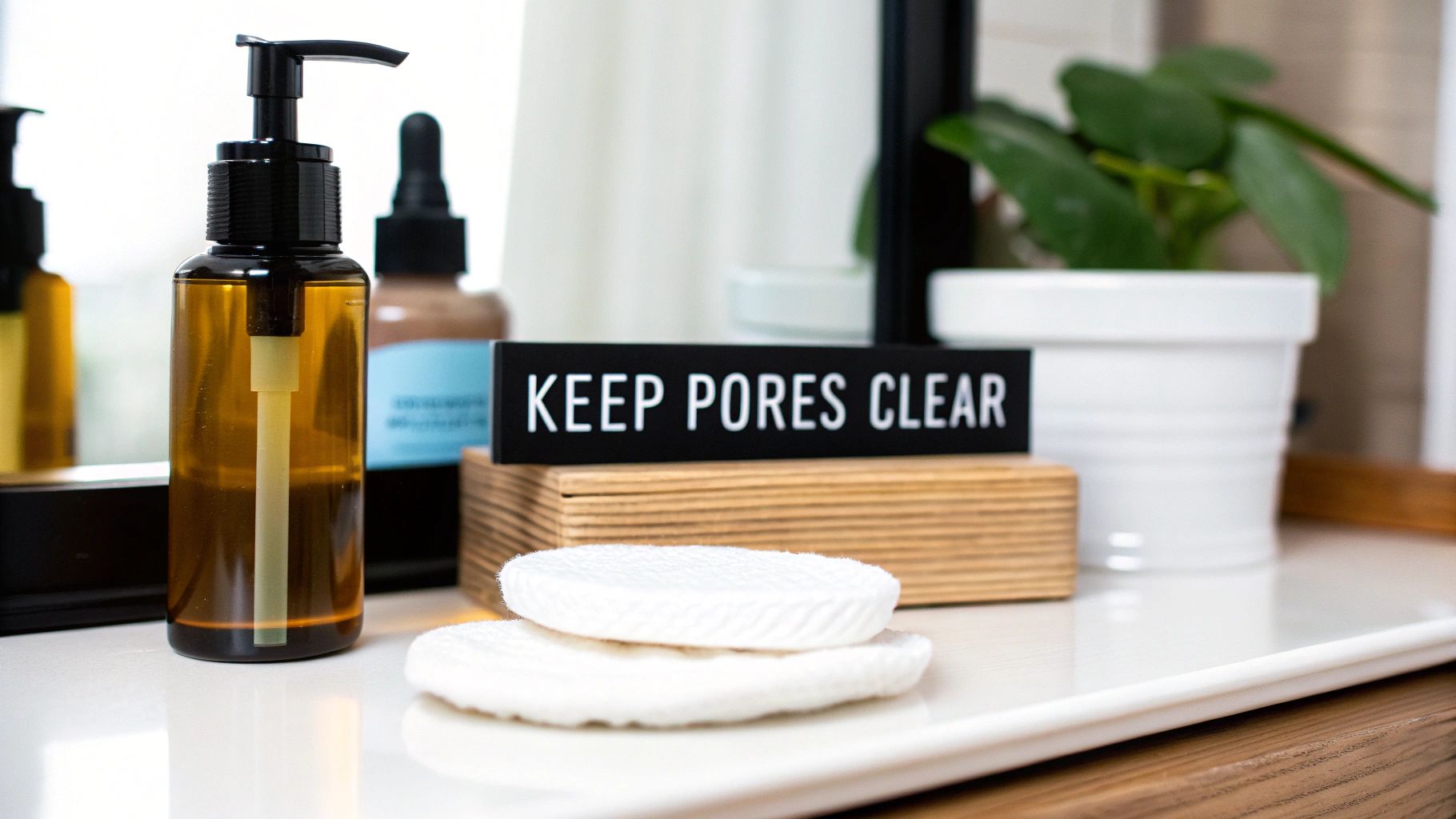
Getting rid of the blackheads on your nose feels great, but the real win is making sure they don’t come back. This isn’t about a one-off fix; it’s about playing the long game with a smart skincare strategy that keeps your pores clear behind the scenes. Think of it as defence, not just attack.
The bedrock of any good prevention plan is simple: consistency. Hitting your skin with a treatment every now and then just won’t cut it. The goal is to create an environment where blackheads struggle to form in the first place, and that starts with being conscious of what you’re putting on your skin every day.
A non-negotiable first step is switching to non-comedogenic products. It’s a fancy term that just means the product has been formulated so it’s unlikely to block your pores. Check the labels on everything from your moisturiser and sunscreen to your foundation. This one simple change can remove a major, often hidden, cause of future blackheads.
Building Your Preventative Toolkit
To really keep blackheads from setting up camp, you need a routine that gets to the root of the problem—namely, excess oil and dead skin cells hanging around for too long. This is where a couple of key active ingredients become your best allies, actively managing your skin’s behaviour rather than just cleaning its surface.
Two ingredients, in particular, are absolute powerhouses in the long-term fight for clear pores.
- Salicylic Acid (BHA): We’ve already talked about how it can clear existing blackheads, but it’s just as brilliant for prevention. When used regularly in a lower-strength product like a daily cleanser or toner, it offers a gentle, continuous exfoliation inside the pore. This stops the gunk from building up before it ever becomes a plug.
- Niacinamide (Vitamin B3): This is a fantastic multi-tasking ingredient. For starters, it helps to regulate your skin’s oil production, so there’s less excess sebum around to cause trouble. Over time, it can also improve the elasticity of the pore wall itself, helping it ‘snap back’ to its normal size after being cleared out. This makes pores appear smaller and less obvious.
Weaving these into your daily routine is like putting your skin on a maintenance plan that keeps everything running smoothly.
Beyond The Bathroom Cabinet
While the right products are crucial, your daily habits play a huge part, too. Effective prevention is really a holistic effort, taking into account lifestyle factors that can quietly influence your skin.
One of the most powerful habits? The non-negotiable rule of taking off your makeup every single night. No exceptions. Sleeping in makeup is one of the quickest tickets to clogged pores, especially on an oily T-zone. A double cleanse is your best friend here.
Think of your preventative routine as a long-term investment in your skin’s health. Small, consistent daily actions compound over time to produce clear, resilient skin that is far less prone to blackheads.
Diet can also play a role for some. While the science is still evolving, some studies have shown a link between high-glycaemic foods (think sugary snacks, white bread, and processed items) and an increase in sebum production. You don’t need to completely overhaul your diet, but just being mindful of your intake might make a noticeable difference.
Finally, if you have a particularly reactive or delicate complexion, finding the right balance is everything. We dive deeper into building an effective yet gentle regimen in our guide to creating a skincare routine for sensitive skin. This ensures you’re keeping blackheads away without triggering irritation.
Ultimately, keeping your nose clear is all about smart, consistent habits. It’s the combination of the right products, diligent cleansing, and mindful choices that delivers the lasting results you’re after.
Your Questions on Nose Blackheads Answered
Even with the best routine, blackheads can still be a source of confusion. There’s a lot of conflicting advice out there, and sometimes it’s hard to even know if what you’re seeing is a blackhead in the first place. Let’s clear up some of the most common questions so you can move forward with confidence.
First up, a major point of confusion: are those little greyish dots on your nose actually blackheads, or are they something else entirely?
Are They Blackheads or Sebaceous Filaments?
Chances are, what you’re seeing are sebaceous filaments. The good news? These are a completely normal part of your skin. Think of them as tiny pathways that allow oil to travel from your sebaceous glands to the skin’s surface to keep it moisturised.
It’s easy to mix them up, but here’s how to spot the difference:
- How they look: A true blackhead is a dark, slightly raised bump—an actual blockage. Sebaceous filaments, on the other hand, are typically flat against the skin, grey or light brown, and often show up in an orderly pattern across your nose.
- What comes out: If you (gently!) squeeze a blackhead, a hard, dark plug of oxidised gunk will pop out. Squeezing a sebaceous filament (which you really shouldn’t!) produces a soft, free-flowing, whitish-yellow substance.
You can never truly get rid of sebaceous filaments—and you wouldn’t want to. They’re part of your skin’s plumbing. The great thing is, the very same routine that tackles blackheads, like a good BHA exfoliant or a clay mask, will also keep these filaments clear and make them far less noticeable.
Can I Permanently Shrink My Pores?
This is the million-dollar question in skincare, and the straightforward answer is no. Your pore size is largely down to genetics, and you can’t actually change their physical structure.
But what you can do is make them look significantly smaller.
Picture a pore as a small shopping bag. When it’s empty, it sits neat and tight. But when you stuff it with dead skin cells and excess oil, it stretches and becomes much more obvious. By regularly using ingredients like salicylic acid to keep your pores clear, you stop them from getting stretched out, which gives your skin a much smoother, more refined texture.
The goal isn’t to erase your pores—they’re essential for healthy skin function. The goal is to keep them clean and healthy, which naturally results in them looking their best and being far less noticeable.
Is Daily Salicylic Acid Safe for My Nose?
For anyone with oily or combination skin, using a gentle salicylic acid (BHA) product daily is often the secret weapon for keeping blackheads at bay. It’s an absolutely brilliant maintenance strategy.
However, if your skin leans towards dry or sensitive, daily use might be a bit too much and could cause some irritation. For you, the best approach is to start slow. Try using it just 2-3 times a week and pay close attention to how your skin feels. If you see any signs of redness or flaky skin, pull back a little. And always, always follow up with a great non-comedogenic moisturiser to keep your skin barrier happy. If you’re hunting for the right formula, our guide on the best products for skin blemishes has some fantastic recommendations.
At Beauty Page, we focus on creating professional-grade formulas that deliver real results. Explore our targeted BHA treatments and build the perfect routine to keep your nose clear and your skin glowing at https://beautypage.co.uk.